Jesus is Calling – A Christian Embroidery Design Worth Your Time
When you run a small shop or sew for a living, every design you open on your machine carries weight. It either builds your reputation or costs you time, thread, and customer trust. I have been digitizing and stitching custom orders for over a decade, and I have learned to spot a design that will perform well before I ever hoop fabric. Jesus is Calling – Christian landed in my project folder recently, and after running it through several real-world tests, I want to share what I found. This is not a marketing sheet. This is a practical review from someone who has to make every stitch count, and who wants you to know whether this design belongs in your workflow or your shop.
First Impressions: A Gentle but Confident Visual Voice
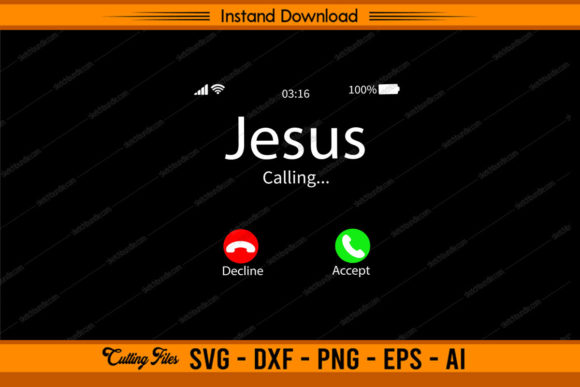
The first thing I noticed about Jesus is Calling – Christian is its mood. It does not shout. It does not crowd the canvas with heavy ornament or busy lettering. The design carries a quiet, steady confidence that feels appropriate for a faith-based message. The layout is balanced without being stiff, and the lettering has a hand-drawn warmth that reads as sincere rather than manufactured. If you sell to customers who want understated, meaningful gifts, this design aligns with that sensibility.
The shape of the composition is compact enough to sit well on a variety of blanks, yet it retains enough visual weight to stand alone as a focal point. The detail level stays moderate, which is a good sign for embroidery. Designs with too many fine lines often turn into a tangled mess of thread, especially on textured fabrics. Jesus is Calling – Christian avoids that trap. The strokes are deliberate, the spacing is generous, and the overall silhouette feels purposeful. It looks like a design that was made to be stitched, not just drawn on a screen.
Real Projects Where This Design Delivers
I tested Jesus is Calling – Christian on a few different blanks to see how it translated from digital file to finished product. The first project was a cream-colored canvas tote bag, the kind that sells well at craft fairs and in Etsy shops as a faith-based gift or church bag. The design stitched cleanly. The open areas in the lettering allowed the fabric to breathe, and the overall shape sat nicely about three inches below the top edge. That tote bag now looks like a product a customer would actually carry, not a practice piece destined for a drawer.
I also ran it on a mid-weight sweatshirt in a soft heather gray. Sweatshirt embroidery can be tricky because the fabric has stretch and texture. The Jesus is Calling – Christian design handled the surface well. The satin stitch elements laid down flat without pulling or puckering, and the fill stitch areas covered evenly. I used a medium cutaway stabilizer and a 75/11 ballpoint needle, and the result was a professional-grade garment that felt good to the touch. A customer who wants a daily reminder of their faith will wear this piece often, and that means the design needs to hold up through washes and wear. Based on my test, it will.
I also tried it on a small baby onesie as a gift for a new mom. The design scaled down nicely without losing legibility, which is a strong sign that the original vector work was done with care. When you sell baby embroidery, you need designs that read clearly at small sizes because parents want the message to be visible, not a blur of thread. Jesus is Calling – Christian passed that test.
Where to Think Twice Before Stitching
No design is perfect for every surface, and Jesus is Calling – Christian has a few considerations worth noting. The moderate detail level means it will perform best on fabrics that can hold a clean stitch. If you are working with very thin or loosely woven material, such as lightweight linen or single-knit jersey, you may need to add a layer of stabilizer or a topper to prevent the stitches from sinking into the fabric. That is standard practice for any design with fill work, but it is worth calling out because newer sewists sometimes skip this step and then wonder why the stitching looks uneven.
On curved surfaces like caps or fitted hats, the design requires careful placement. The lettering has enough width that it may wrap too much on a small crown, so I recommend testing it on a scrap cap before stitching a customer order. If you are planning to sell embroidered caps with this design, consider using a slightly larger hat style or positioning the design higher on the front panel to avoid distortion.
Dark fabrics also deserve a quick note. The Jesus is Calling – Christian design relies on clear contrast between the thread and the background. If you stitch it on black or navy, choose a thread color that pops, such as white, gold, or a bright tone. The design itself is not overly dense, so light thread on dark fabric will read well, but you should test your color combination before committing to a batch of products.
How This Design Affects Product Value and Buyer Trust
When a customer buys a handmade product with a faith-based message, they are not just buying thread and fabric. They are buying a reminder of something that matters to them. That means the design quality directly affects how they perceive the entire product. A design that looks cheap or poorly stitched will make the whole item feel like an afterthought, regardless of how well you constructed the garment. Jesus is Calling – Christian lifts the product because it looks intentional. The clean lines and balanced layout give the finished item a polished, giftable quality that customers notice.
I have seen Etsy listings where the same design is offered on multiple products, and the ones that sell best are always the ones where the embroidery looks crisp and professional. This design gives you that advantage. Whether you are adding it to a pillow cover, a kitchen towel, a set of baby booties, or a personalized gift for a baptism or holiday, the visual clarity of Jesus is Calling – Christian reinforces the trust that customers place in your shop. They see careful stitching, and they assume the entire product was made with care.
For craft business owners, this design also works well as a printable mockup element. Because it is a Graphics product with SVG and PNG formats, you can place it on a digital preview of a tote bag or sweatshirt and show customers exactly what they will receive. That kind of clear presentation builds confidence and reduces the number of questions you get about sizing and placement. In the Crafts category, this dual functionality is a real time saver.
Practical Notes From the Design Table
Before you commit to a full production run with Jesus is Calling – Christian, here are a few steps I recommend taking:
- Test on scrap fabric first. This is the rule I live by. Even the best design can behave differently on different materials. Run a test stitch on the exact fabric you plan to use for your products, and check the tension, stitch density, and overall appearance.
- Review thread color contrast. Hold your thread spool next to the fabric and look at it from a few feet away. The message needs to be readable at a glance. If the contrast is weak, choose a different thread color or a lighter fabric base.
- Check the stitch density. Although I cannot provide exact numbers without the original embroidery file, you should inspect the stitch coverage in your digitizing software or on your machine preview. If any area looks too dense, consider reducing the density slightly or adding a layer of water-soluble topper to keep the stitches from packing too tightly.
- Confirm your hoop size. The design fits comfortably in a standard 4x4 hoop, but if you are stitching on a large item like a hoodie or a tote bag, you may want to use a larger hoop to allow for easier placement. Always measure the design width against your hoop before starting.
- Test in black and white. If you are designing product photos or mockups, convert the design to a black-and-white preview to check that the lettering reads clearly. This is especially helpful if you are listing the same design on multiple light and dark backgrounds.
- Use proper stabilizer. For most woven and knit fabrics, a medium cutaway stabilizer is a safe choice. For stretchy fabrics, use a firmer stabilizer and consider a fusible backing to keep the fabric from shifting during stitching.
- Verify licensing for commercial use. The Jesus is Calling – Christian files are cutting and print-ready for machines like Cricut and Silhouette. If you plan to sell finished products made with this design, confirm the license terms that came with your download. Some digital files allow unlimited commercial use, while others require a separate license. Always check before you list items in your shop.
- Inspect small details closely. Zoom in on the finer elements of the design, especially the thinner strokes. If you are embroidering at a small scale, those details may need to be reinforced or simplified to avoid losing clarity. I recommend running a test stitch at the smallest size you plan to offer before you list it as a product option.
Final Thoughts on Jesus is Calling – Christian for Your Embroidery Projects
If you are looking for a Christian design that feels genuine, stitches well, and gives your customers a product they will actually reach for, Jesus is Calling – Christian is a strong candidate. It is versatile enough for tote bags, sweatshirts, baby items, towels, pillow covers, and holiday gifts, yet refined enough to hold its own as a standalone piece. The design does not rely on gimmicks or extra decoration. It trusts the message to carry the weight, and that is a quality your customers will feel.
I have added this design to my active project folder, and I plan to use it in my upcoming seasonal collection. If you are a small business owner, Etsy seller, or custom apparel decorator, I recommend giving it a real test run on a product you care about. Stitch it, wash it, and see how it holds up. That is the only way to know if a design truly belongs in your shop, and based on my experience, Jesus is Calling – Christian will earn its place.