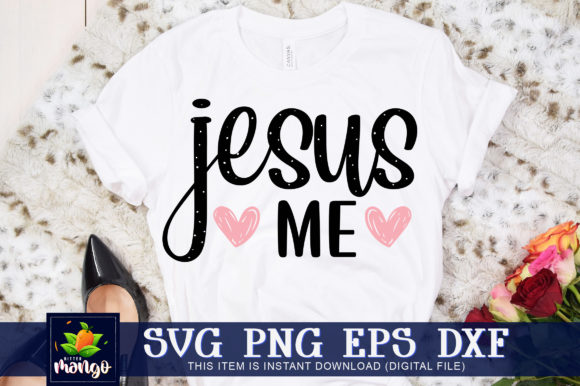
Jesus Me Graphics for Commercial Crafts & Digital Products
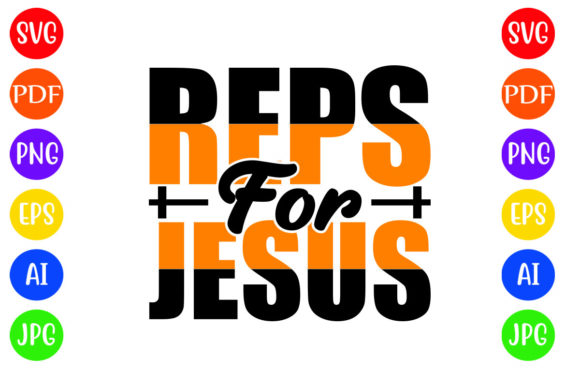
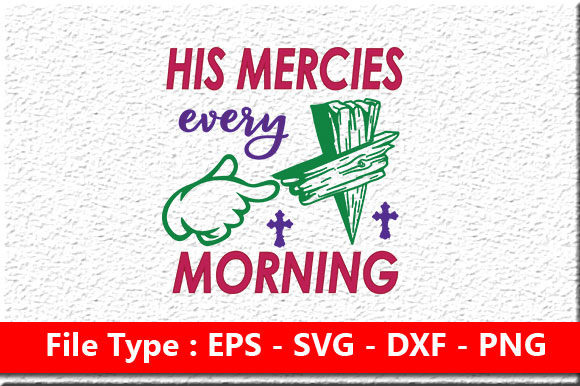
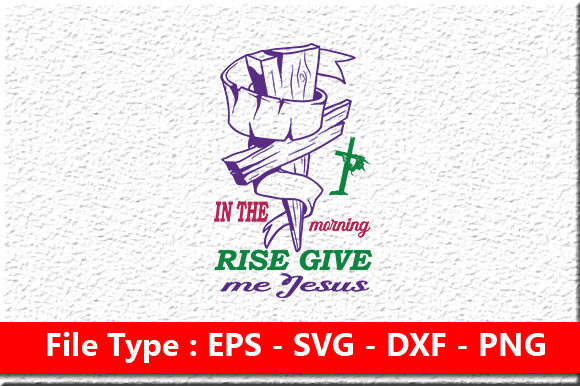
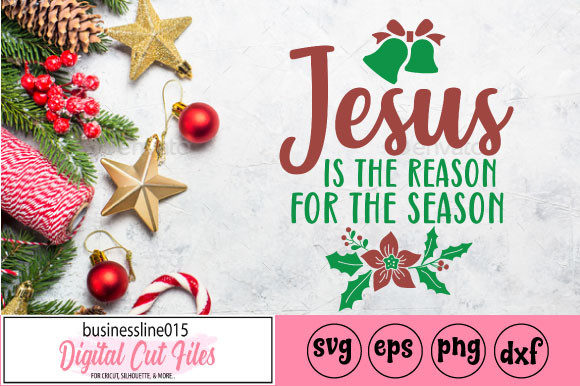
When I first opened the Jesus Me graphic design asset, I was looking for something that could bridge a specific niche: faith-based designs that still feel fresh and marketable for an online shop. The visual personality of this set leans toward a warm, handcrafted, and slightly modern devotional style. It does not feel overly formal or rigid. Instead, it carries a gentle, approachable mood that could appeal to buyers looking for meaningful decor, handmade gifts, or small business branding with a spiritual tone. The illustrations and lettering feel intentional without being fussy, which is a balance I have learned to value after years of testing design assets for commercial use. If you are a seller on Etsy, Creative Fabrica, or a print-on-demand platform, this kind of niche appeal can be a strong differentiator in a crowded marketplace.
Testing Jesus Me for a Real Product Collection
I decided to test Jesus Me by building a small product collection for a fictional Etsy shop focused on Christian-themed home decor and gift items. The goal was to see how the asset held up across multiple product formats before committing to a full listing. I started with a simple set of printable wall art pieces, then moved into sublimation designs for mugs and tumblers, and finally tested the SVG files for Cricut cut projects. The file delivery was straightforward: you receive a zipped folder containing the designs in several formats, including an SVG file compatible with Cricut cutting machines and Silhouette Cameo with the Designer Edition software. I also found PNG files with transparent backgrounds, which made mockup testing quick and efficient. The organization of the files was clean enough that I could rename and sort them for my own product folders without extra hassle.
Where Jesus Me Shines in Product Applications
The strength of this graphic design asset is its versatility across product categories. I tested it on a t-shirt design mockup, and the artwork held its visual hierarchy well on both light and dark fabric colors. The same design worked nicely as a mug design and as a tote bag print, which tells me this could be a solid foundation for a print-on-demand lineup. For sticker design and planner stickers, the line weights and details were clear enough to cut neatly without losing readability. The asset also translated well into Canva templates for social media graphics and blog visuals, especially for faith-based content creators. I could see this being used for greeting cards, invitation templates, and nursery prints where a soft, meaningful aesthetic is valued. Sublimation designs for tumblers and ceramic items came out vibrant in my test prints, with no loss of detail in the finer elements. If you are building a design bundle for a seasonal collection, such as Easter or a general spring refresh, Jesus Me could anchor a cohesive set of products.
Product Presentation and Mockup Testing
One of the most important steps before publishing any listing is testing how the design looks in product mockups and thumbnails. I ran Jesus Me through several mockup scenarios: a framed wall art mockup, a t-shirt flat lay, a mug on a tabletop, and a digital download preview card. The asset performed well in large preview images where the details could breathe. The lettering and motifs had enough visual weight to stand out in a thumbnail, but I did notice that on very small mockups, such as a sticker sheet thumbnail or a tiny icon, some of the finer lines became less distinct. This is not a dealbreaker, but it is something to consider if you plan to sell small-format products like charms or tiny stickers. I recommend testing the design at actual print size before committing to a product line. The contrast on white backgrounds was excellent, and the design also looked good on light pastel backgrounds. On dark backgrounds, the artwork remained readable, but I had to check that the PNG transparency was clean and that there were no stray pixels around the edges. The SVG cut quality was reliable when I tested it on a Cricut machine for a simple vinyl decal project. The cutting lines were clean, and the design did not have overly complex internal cutouts that would cause weeding frustration.
Where to Use This Asset with Care
No graphic design asset is perfect for every product, and Jesus Me has some limitations worth noting. The design works best at medium to large sizes. If you try to scale it down for a tiny sticker or a small pendant, the details may blur or lose impact. I would avoid using it for extremely low-resolution print products where fine lines might become muddy. The design also requires careful attention to contrast. On very dark backgrounds, some of the lighter elements may not pop as strongly unless you adjust the color or add a subtle outline. For Cricut projects and Silhouette Cameo cuts, the SVG files cut cleanly, but I recommend inspecting each layer before cutting to ensure there are no thin gaps that could tear during weeding. If you are creating t-shirt designs with multiple colors, you may need to separate the layers manually depending on your heat transfer method. The asset is not ideal for extremely complex layouts or text-heavy templates where the design would compete with other elements. Keep the layout simple and let the artwork be the focal point.
Practical Seller Notes for Testing Before Launch
Before you publish any product using Jesus Me, I suggest running a short checklist. First, test the design on real mockups, not just flat digital previews. A mockup will show you how the design behaves with lighting, shadows, and fabric texture. Second, preview it as a marketplace thumbnail. Shrink the design down to the size it will appear in search results and see if it still communicates clearly. Third, check how it looks on both white and dark backgrounds. The PNG transparency should be verified by placing the design over a dark background in your editing software to catch any leftover white halo. Fourth, test print colors on your specific printer or sublimation setup. What looks good on screen may shift slightly in print. Fifth, inspect the SVG cut quality if you are selling physical cut files. Open the file in your cutting software and check for overlapping paths or open contours. Sixth, confirm the file resolution is high enough for the products you plan to sell. For large wall art or poster prints, you want at least 300 DPI. Seventh, organize the files clearly for your customers. A well-named folder with separate subfolders for SVG, PNG, and other formats adds professional polish. Finally, pair the design with complementary font styles. A serif font can give it a classic feel, a sans serif font keeps it modern, a script font adds elegance, a handwritten font reinforces the handmade vibe, and a display font can add contrast for titles. I tested a few combinations, and the asset paired naturally with a soft handwritten style for a cohesive look.
Commercial Licensing and Selling Finished Products
Before you start selling products made with Jesus Me, confirm the commercial license terms. Most graphic design assets in this category allow you to use the designs in finished products for sale, such as t-shirts, mugs, wall art, and digital downloads, as long as you do not resell the raw files themselves. I always recommend reading the license agreement from the specific seller or marketplace where you purchased the asset. If you are creating a design bundle for your own shop, make sure you are not including the original files as separate items. Instead, incorporate the designs into your own original products. For print-on-demand sellers, this is usually straightforward, but it is worth double-checking. The Jesus Me asset is a strong candidate for small business branding, handmade business products, and creative marketplace listings. It can also support packaging design and brand identity for a faith-based shop. The visual style is consistent enough to build a small collection around it without the products feeling disjointed.
Final Thoughts on Adding Jesus Me to Your Product Lineup
After testing Jesus Me across several product categories, I can see why it would appeal to sellers looking for a faith-based graphic design asset with commercial potential. It is not a one-size-fits-all solution, but for the right niche, it offers a solid foundation for printable designs, merchandise graphics, and digital downloads. The file formats cover the essentials: SVG for cutting machines, PNG for mockups and digital products, and enough flexibility to adapt to Canva templates, social media graphics, and blog visuals. The key is to test it on your specific products, pay attention to scale and contrast, and present it in mockups that show its best qualities. If you are a digital product creator, Etsy seller, or print-on-demand entrepreneur looking for a meaningful design asset that resonates with a targeted audience, Jesus Me is worth a close look. Just remember to verify the commercial license, organize your files thoughtfully, and test every product variation before you hit publish. That kind of diligence is what separates a professional shop from a hobby listing, and it is exactly how you build customer trust and repeat sales over time.