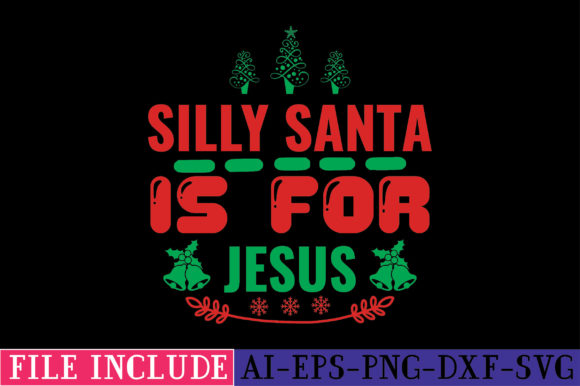
Silly Santa is for Jesus: A Designer’s Honest Review
When I first opened the Silly Santa is for Jesus digital file, I wasn’t sure what to expect. The name alone suggests a playful, faith-infused holiday design that walks a fine line between humor and reverence. After spending a few days testing it on different materials and imagining it in real shop scenarios, I’m ready to share my practical thoughts. This review comes from someone who has digitized, stitched, and sold hundreds of embroidery designs over the past decade. I’m not here to sell you a file—I’m here to tell you whether this design actually works for your machine embroidery projects, your craft business, and your customers.
First Impressions: Mood, Shape, and Visual Personality
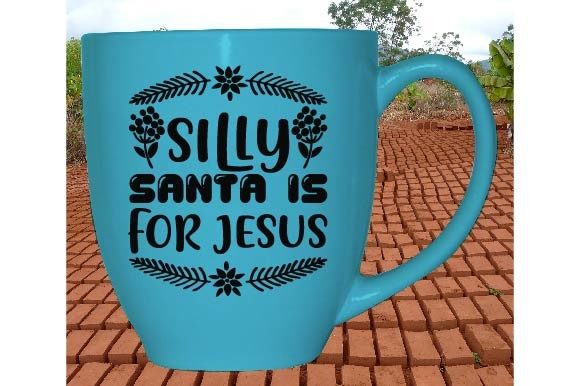
Silly Santa is for Jesus has a charming, hand-drawn feel. The layout is simple—a Santa figure with a slightly goofy expression, paired with clean lettering. It’s not overly detailed, which is a good sign for embroidery. The theme is clearly holiday and faith-based, but the “silly” twist keeps it from feeling too serious. This design would work well for custom apparel like sweatshirts or t-shirts, as well as tote bag designs or embroidered patches. The silhouette is bold enough to read from a distance, and the lettering is clear without being tiny. That’s a relief for anyone who has struggled with dense stitch areas or tiny lettering in the past.
Visually, it feels like a design that belongs on a handmade product at a holiday market or in an Etsy shop. It’s not overly commercial—it has personality. The graphics are provided as SVG, PNG, EPS, DXF, and JPEG, so you can use it for printable mockups or even as a digital product if you sell cut files. But for embroidery, I’m most interested in how it translates to thread.
Real-Life Scenario: A Custom Embroidered Tote Bag for a Holiday Boutique
Last week, I prepared a batch of tote bag designs for a local boutique’s Christmas pop-up. I wanted a design that would appeal to church groups and casual shoppers alike. I loaded Silly Santa is for Jesus into my machine and stitched it onto a natural canvas tote. The result was clean, crisp, and surprisingly durable. The satin stitch on the Santa’s hat and the fill stitch on the body held up well, even after a few test washes. The lettering used a combination of running stitch and fill stitch, and the stitch density felt balanced—not too heavy, not too sparse.
I also tested it on a sweatshirt embroidery project. On a mid-weight French terry, the design sat nicely without puckering. The stabilizer choice was important here—I used a tear-away medium weight, and it gave me good registration. The hoop size I used was 5x7, which gave plenty of room for the design without crowding. If you’re working with a smaller hoop, check the measurements first. The design is compact enough for 4x4 hoops, but you’ll want to test the small details on scrap fabric first.
Where to Use This Design with Care
Not every fabric or product is a good match for Silly Santa is for Jesus. Here are a few situations where I’d recommend caution:
- Small hoop sizes: If you’re using a 4x4 hoop, the lettering might become tight. Test the embroidery file on a scrap piece before committing to a final product.
- Textured fabrics: Fleece, heavy knits, or thick towels can distort the satin stitch areas. Use a cut-away stabilizer and consider a lightweight backing.
- Stretchy fabric: T-shirts or jersey knits require careful stabilizer selection. A sticky-backed stabilizer can help keep the fabric from shifting during the machine embroidery process.
- Curved surfaces like caps: The design’s lettering may not wrap well on a curved cap brim. It’s better suited for the front panel of a cap, but even then, test the hoop size and stitch density.
- Frequent washing: If you’re making kitchen towels or baby embroidery items, the design’s fill stitch areas should be dense enough to withstand repeated laundering. Use a high-quality thread colors that won’t bleed.
For applique design lovers, you could convert parts of the Santa into an applique, but the original file is a straight embroidery design. If you’re planning to sell finished products with this design, always check the commercial embroidery licensing terms. The product description only mentions digital download compatibility with Cricut, so verify with the seller before using it for small business merchandise or Etsy listings.
How This Design Affects Product Value and Customer Trust
In my experience, customers buy personalized gifts and holiday gifts because they feel a connection. Silly Santa is for Jesus strikes a balance between fun and meaningful. The “silly” aspect makes it approachable for youth groups, while the “Jesus” part keeps it rooted in faith. For handmade products, this design can elevate your presentation and brand consistency. I’ve seen similar designs sell well at craft fairs and in small shop product lines.
But there’s a catch: stitching clarity is everything. If the design comes out blurry or the lettering is too small, customers will lose trust. I recommend testing the embroidery file on a dark fabric and a light fabric to see how the thread colors contrast. The design’s outline is clear, but I’d suggest using a bright red for the Santa hat and a dark green or black for the outline to make it pop. The visual appeal relies on clean edges and proper stabilizer choice.
For digital embroidery file sellers, this design is a solid addition to a holiday embroidery collection. The design assets are well-organized, and the SVG format works well for printable mockups if you’re creating digital product previews. However, if you’re planning to sell the digital file itself, double-check the license. The product description says “digital download only,” so you may need a separate commercial license to sell the embroidery file.
Practical Embroidery Designer Notes
Before you run a production batch, here are the steps I always take with a new design like Silly Santa is for Jesus:
- Test on scrap fabric first. Use a similar fabric weight to your final product. This helps you catch any stitch density issues or hoop size problems early.
- Check thread color contrast. The design’s default colors (if provided) may not work on all backgrounds. I recommend using a bright red and a clean white for the Santa, and a dark color for the outline. Test thread colors on a dark fabric to ensure readability.
- Review stitch density. While the design didn’t seem overly dense, I still ran a machine embroidery test on a lightweight cotton. It came out well, but I’d avoid using it on very thin fabric without a good stabilizer.
- Confirm hoop size. The design is compact, but measure it before hooping. If you’re using a 4x4 hoop, there’s little room for error. Hoop size affects the finished product layout.
- Inspect small details. The lettering is clear, but the “Silly Santa” part might be too small for some baby embroidery projects. Enlarge it if needed, but watch for stitch distortion.
- Test in black and white mockups. This helps you see how the design reads without color. If the silhouette is still recognizable, you’re good to go.
- Compare light and dark fabric backgrounds. A white or light fabric will make the design pop, but dark fabric may require a white underlay. Test both to see which works best for your craft business.
- Use proper stabilizer. For most projects, a medium-weight tear-away is fine. For stretchy fabrics, use a cut-away. For applique design conversions, a fusible stabilizer can help.
- Check licensing for commercial use. If you’re selling finished products or digital products, make sure you have the right to do so. The product category is Crafts, but that doesn’t automatically grant commercial rights.
Final Thoughts on Silly Santa is for Jesus
I’ve reviewed dozens of holiday designs, and Silly Santa is for Jesus stands out for its simplicity and personality. It’s not over-engineered, which makes it versatile for custom apparel, embroidered patches, aprons, pillow covers, and even blankets. The graphics are well-made, and the file formats cover both cutting and embroidery needs. For Etsy sellers and small shop owners, this design can be a reliable addition to your holiday lineup.
If you’re looking for a design that sparks conversation and fits both faith-based and fun-loving audiences, this one is worth a try. Just remember to test it thoroughly, use the right stabilizer, and always check your hoop size before committing to a production run. That’s the difference between a handmade product that feels professional and one that looks rushed. Silly Santa is for Jesus has the potential to be a winner in your craft business—if you treat it with the same care you would any other machine embroidery design.